

Windstory #20 - 35 years since the first offshore wind turbine in history: Svante 1
On 1 September 1990, the Svante 1 was inaugurated in Nogersund (Sweden), holding the distinction of being the world’s first offshore wind turbine.


Hello everyone and welcome to a new issue of Windletter. I'm Sergio Fernández Munguía (@Sergio_FerMun) and here we discuss the latest news in the wind power sector from a different perspective. If you're not subscribed to the newsletter, you can do so here.
Windletter is sponsored by:
🔹 Tetrace. Reference provider of O&M services, engineering, supervision, and spare parts in the renewable energy market. More information here.
🔹 RenerCycle. Development and commercialization of specialized circular economy solutions and services for renewable energies. More information here.
🔹 Nabrawind. Design, development, manufacturing, and commercialization of advanced wind technologies. More information here.
Windletter está disponible en español aquí
Windstory is the articles section of Windletter, where we publish single-topic analyses and share interesting stories from the wind energy sector.
From time to time, without a set schedule, a new edition of Windstory will arrive in your inbox. You can read other articles here.
Today we bring you one of those stories we love to tell in Windletter. The truth is, I had no idea this wind turbine even existed, and there’s not much information about it online.
I came across it thanks to a post by Martin Skiba on LinkedIn, and the quality of the photo he used already gives you an idea of how hard it is to find information about this turbine.
I honestly really enjoyed writing this story, even though it took quite a bit of work.

Your invitation to Greencities 2025 – Where the future of urban management begins!
The countdown is on for the benchmark event in business, innovation, and knowledge for companies and territorial managers. Greencities, Urban Intelligence & Smart Mobility, returns on October 1–2 in Málaga.
Join technology leaders, institutions, and governments, expand your professional network, and discover the latest solutions in sustainability, mobility, and urban digitalization.
Register for free as a professional attendee and gain access to the exhibition area and a top-level program featuring inspiring talks from leading experts.
Register now and be part of the future of territories.
Svante 1: offshore wind turns 35
Offshore wind turns 35. On 1 September 1990, the Svante 1 was inaugurated in Nogersund (Sweden), holding the distinction of being the world’s first offshore wind turbine.
Back in the 1980s, a few visionaries in Sweden began to see the potential of offshore wind. In 1990, there was barely 1 GW of wind power installed worldwide (all onshore, of course).
In that context, the idea emerged in Sweden to explore the potential of the Baltic Sea as a wind power site. And that’s how Svante 1 was born, a technology demonstration project to test whether it was possible to install and operate a wind turbine at sea.
What they didn’t know was what offshore wind would become 35 years later.
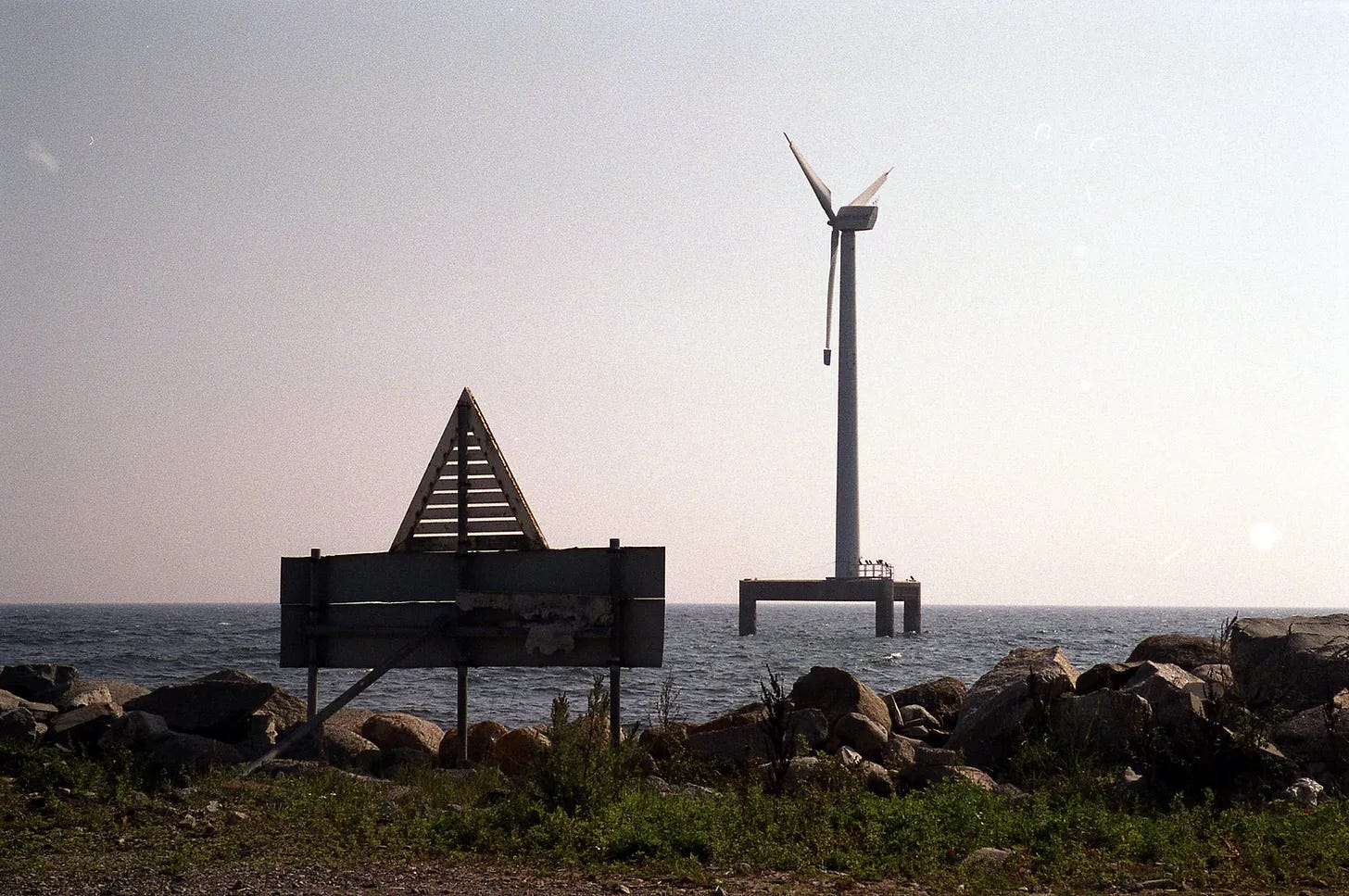
Technical data of Svante 1
Manufacturer: Wind World
Model: Wind World W2500/220
Rated power: 220 kW (some sources mention 225 kW)
Rotor diameter: 25 m
Hub height: ~35 m
Drive train: Asynchronous generator, with gearbox and stall-controlled aerodynamic power regulation.
You can download a catalogue from the time here
Foundation: Steel tripile, driven to a depth of 7 metres
Owner: Sydkraft (now E.ON Sverige)
Commissioning: September 1990
Decommissioning: 2007–2008 (foundation completely removed)
Average annual production: ~400 MWh, equivalent to the electricity consumption of around 100 Swedish households at the time

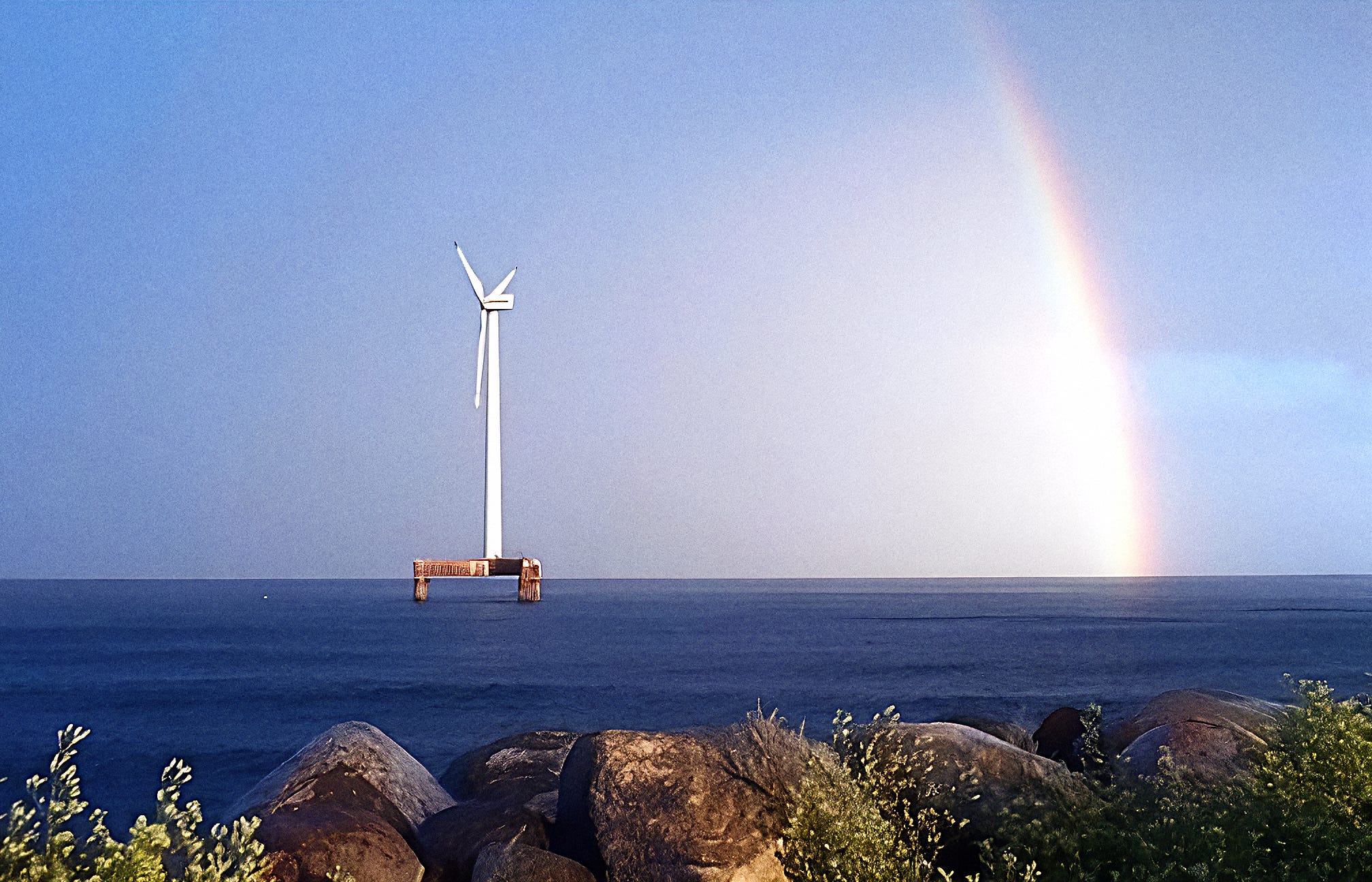
The goal of developing this prototype was twofold:
To demonstrate technical feasibility (foundation, corrosion, offshore maintenance, electrical connection).
To analyse environmental impact (reef effect, fishing, noise).
The site in Nogersund (Blekinge) was chosen because it offered very shallow waters and favourable wind conditions.
The figures for the project were very modest by today’s standards: a turbine of just 220 kW, installed only 250 metres from the coast and in waters just 7 metres deep. That reduced the project’s complexity in an industry that was just being born.
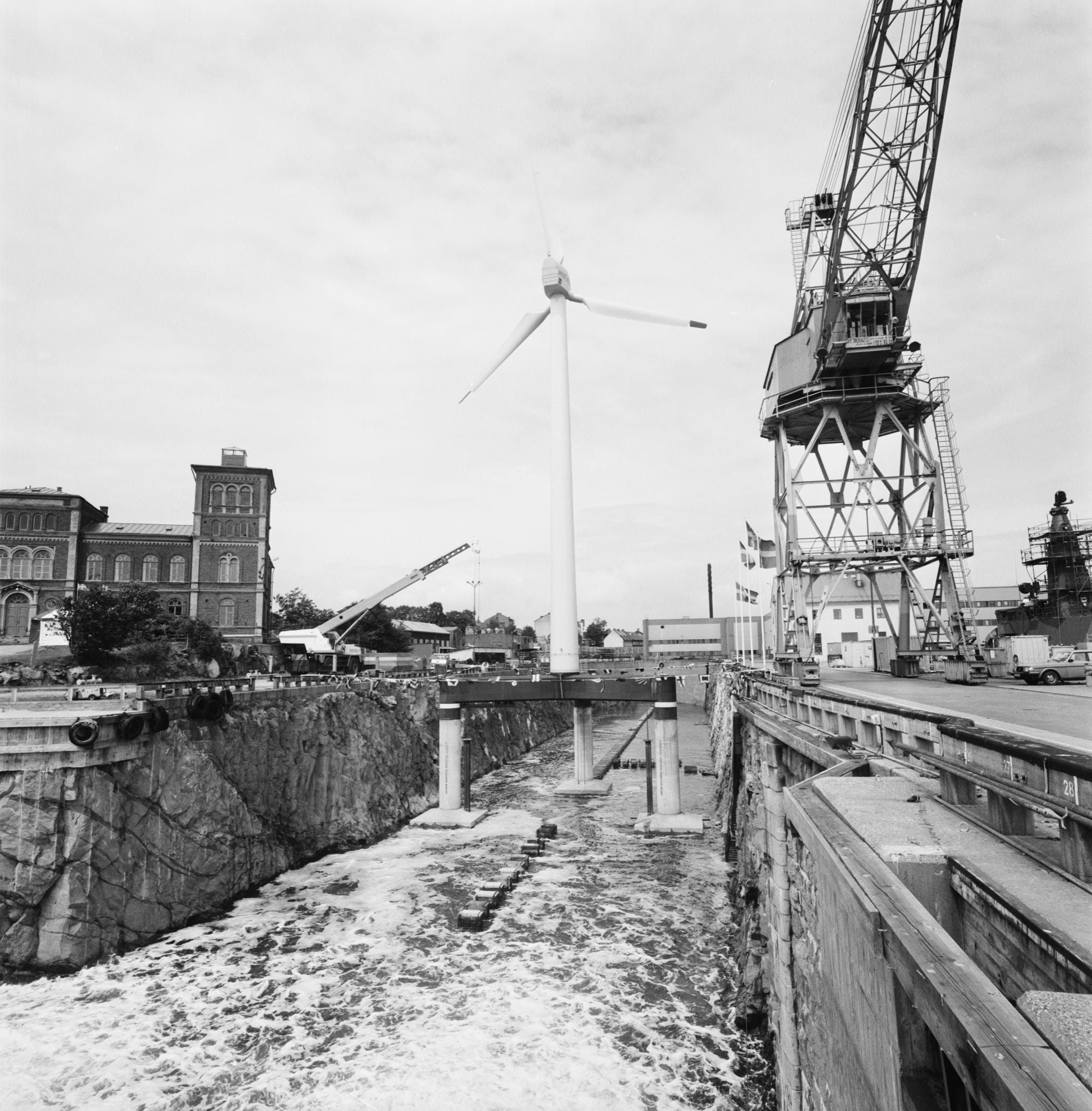
The project was led by Sydkraft AB (now E.ON Sverige), then Sweden’s second-largest power utility. It was not a commercial wind farm, but rather a research and demonstration project.
It was a pilot prototype funded with the company’s own resources and supported by renewable energy R&D programmes from the Swedish government in the late 1980s (interesting to see how Sweden was already allocating public funds to experimental wind energy at the time).
As can be seen in the photos, the foundation was a tripod-type design, one that is no longer used in today’s offshore wind industry.
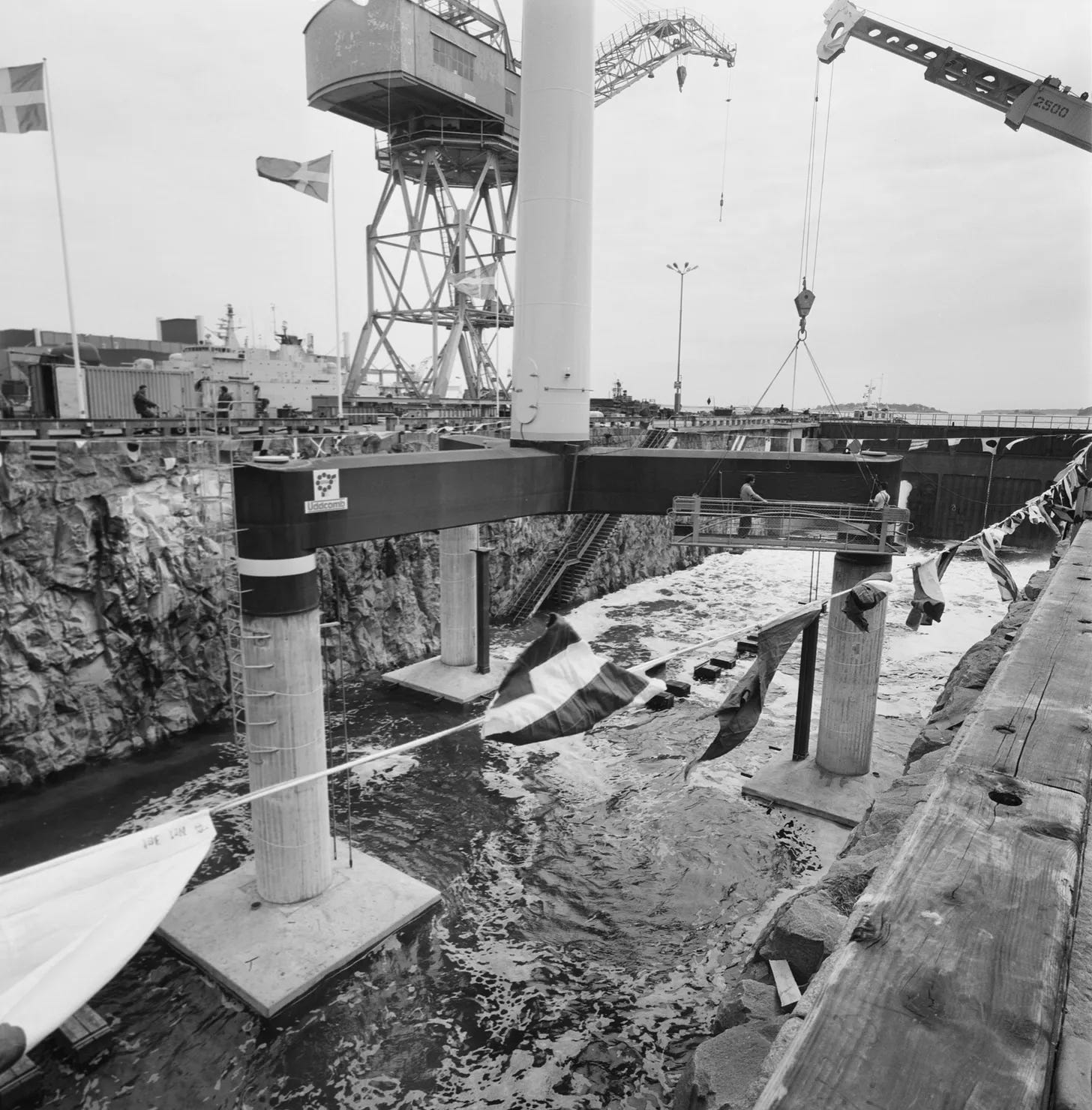
It is interesting to see how the concrete portion of the foundation was executed, visible in the form of piles (columns) and footings (the square base), on top of which the upper steel structure supporting the tower was later installed. This procedure was carried out in a kind of dry dock, a technique commonly used in shipbuilding.

Once assembly was completed, the area was intentionally flooded. Considering the time period and the infrastructure visible in the photos, the most likely hypothesis is that the structure initially floated, was towed to the installation site, and then ballasted until it rested firmly on the seabed. Although I haven’t been able to confirm this.
You can see more photos of the construction here.
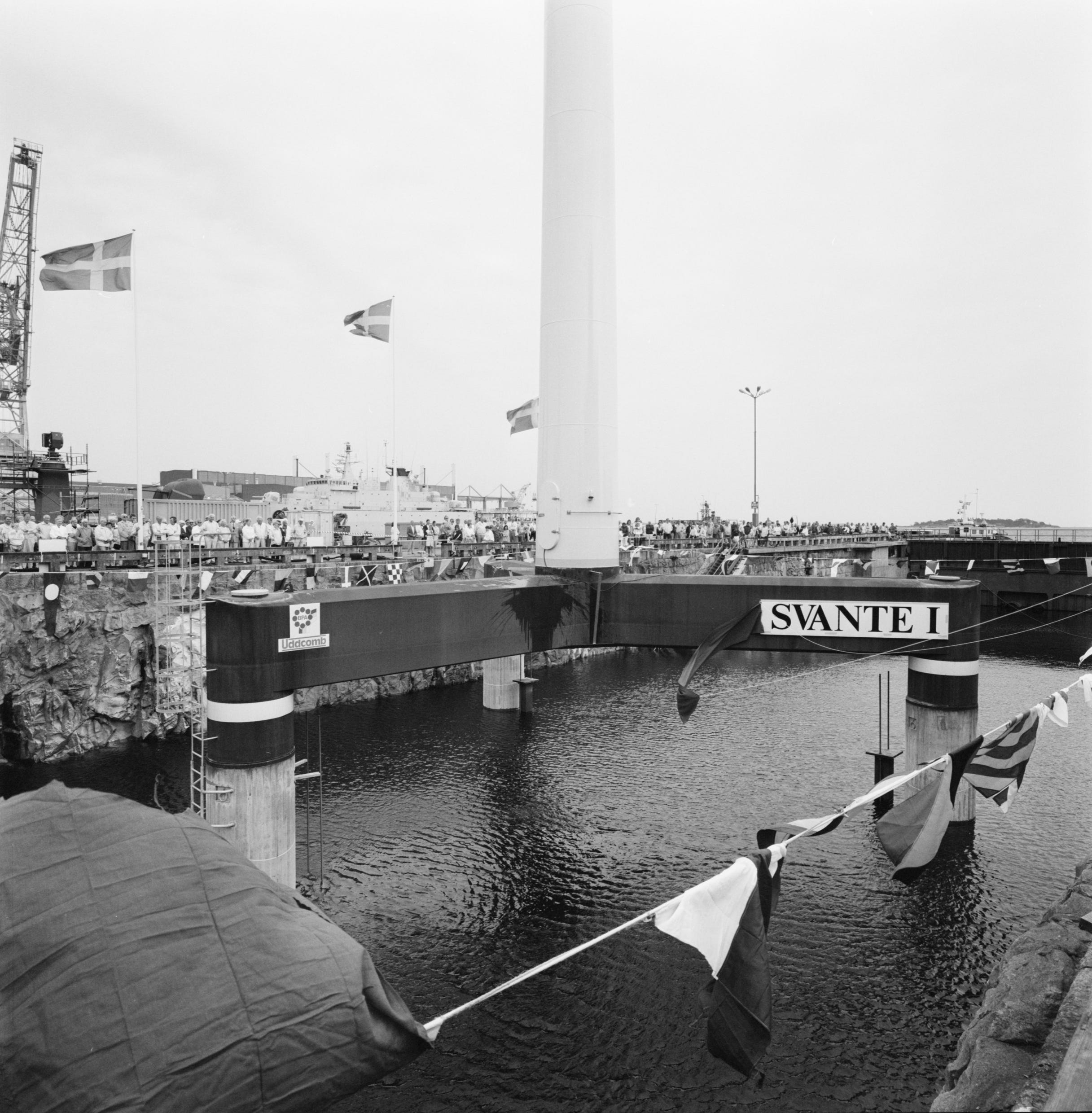
As can be seen in both the top and bottom photos, the inauguration was quite an event for the town, bringing together a large number of local residents and officials.
What they didn’t know at the time was that, over the years, and thanks to its proximity to the village, the wind turbine would become a symbol for the community.
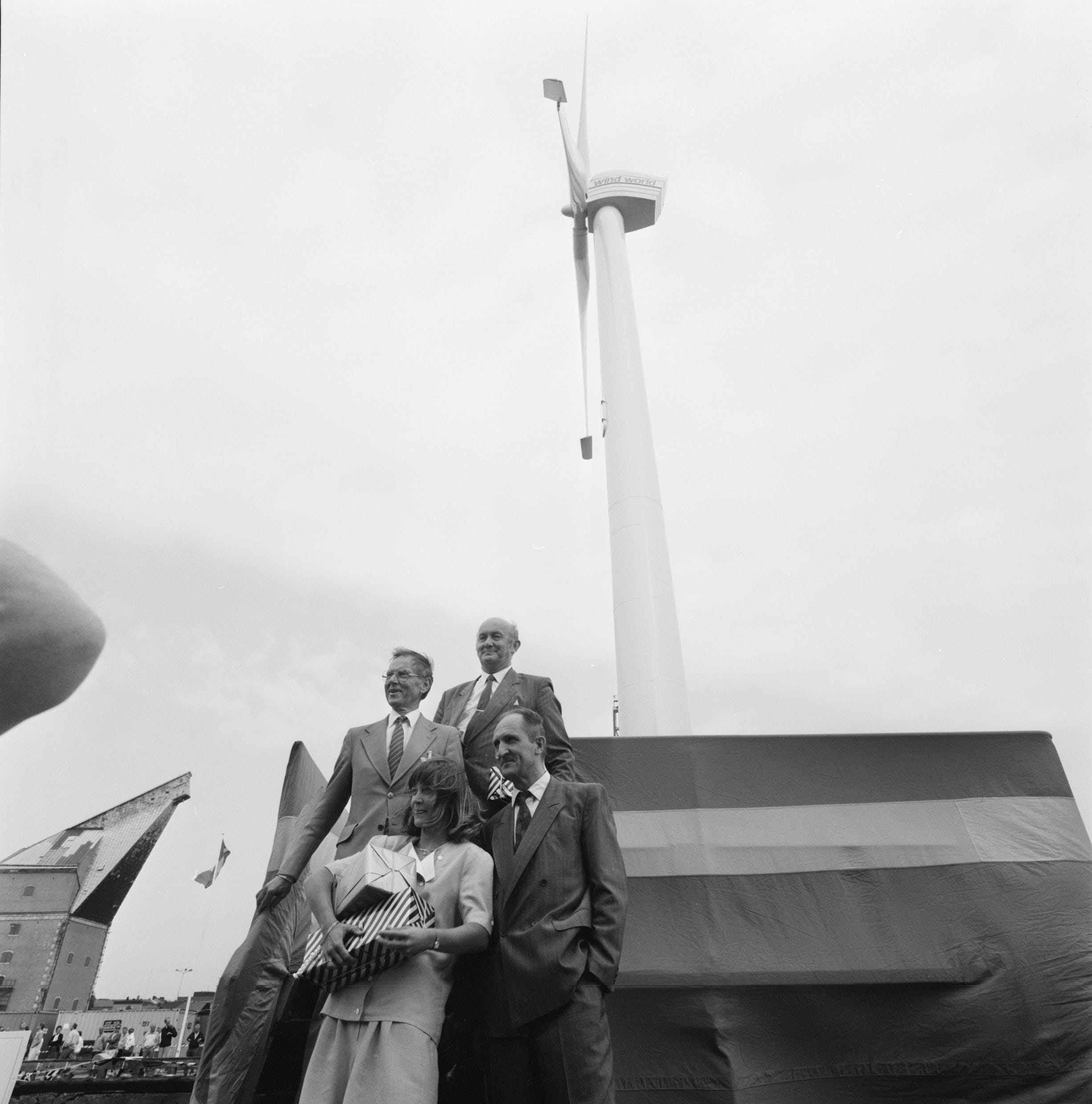
The turbine was manufactured by the historic company Wind World, model 2500/225, with a rotor diameter of 25 metres and just 220 kW of rated power.
About the manufacturer Wind World
Founded in 1985 in Denmark (Skive, Jutland).
Focused on 200–600 kW turbines during the 1980s and 1990s, widely used in Denmark, Germany, and Sweden.
Developed several models:
The smallest: WW 15/55 (15-metre rotor, 55 kW of power, launched in the late 1980s)
The largest: W5200/750 (52-metre rotor, 750 kW of power, coincidentally the same as the V52 and G52 from Vestas and Gamesa, launched in the late 1990s)
In 1998, Wind World was acquired by NEG Micon, a company formed the year before from the merger of Nordtank Energy Group (NEG) and Micon (Moerup Industrial Windmill Construction Company).
In 2004, NEG Micon was absorbed by Vestas. In other words, Wind World was part of the path that led to the consolidation of Vestas as a global leader.
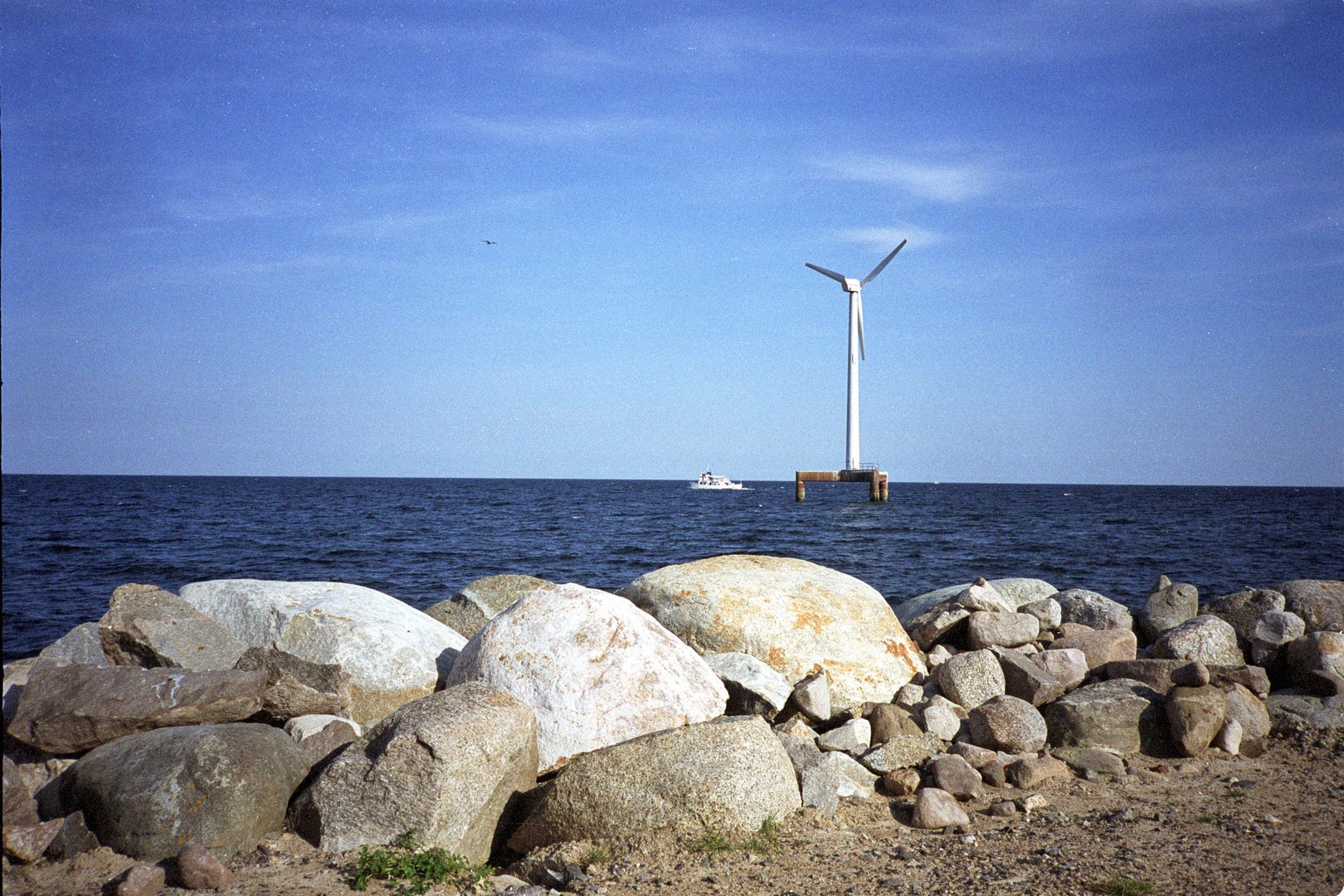
Decommissioning
Svante 1 operated until 2005 and was dismantled between 2007 and 2008.
After 15 years in operation, the turbine stopped functioning in 2005 due to a generator failure, which led its owner, E.ON (formerly Sydkraft), to begin decommissioning plans.
For several months, the local community and various associations tried to prevent the dismantling, citing its historical and symbolic value as a pioneer of offshore wind and an emblem of Nogersund. There was even a proposal for the municipal utility company to take over the turbine, with E.ON offering €143,000 for the transfer, which was the cost of dismantling it.

Although negotiations had progressed quite far, the operation was complicated by a legal factor: the maritime permit regulating the installation was set to expire on 31 December 2006. Without a new permit, the entire structure would be considered illegal.
In the end, the Växjö Environmental Court ruled that Svante had to be dismantled before 31 December 2007 (the deadline was extended by one year) and that the seabed had to be fully restored.
This brought an end to any hope of preservation, despite the fact that most of the local population supported keeping the turbine as a monument or historical symbol.
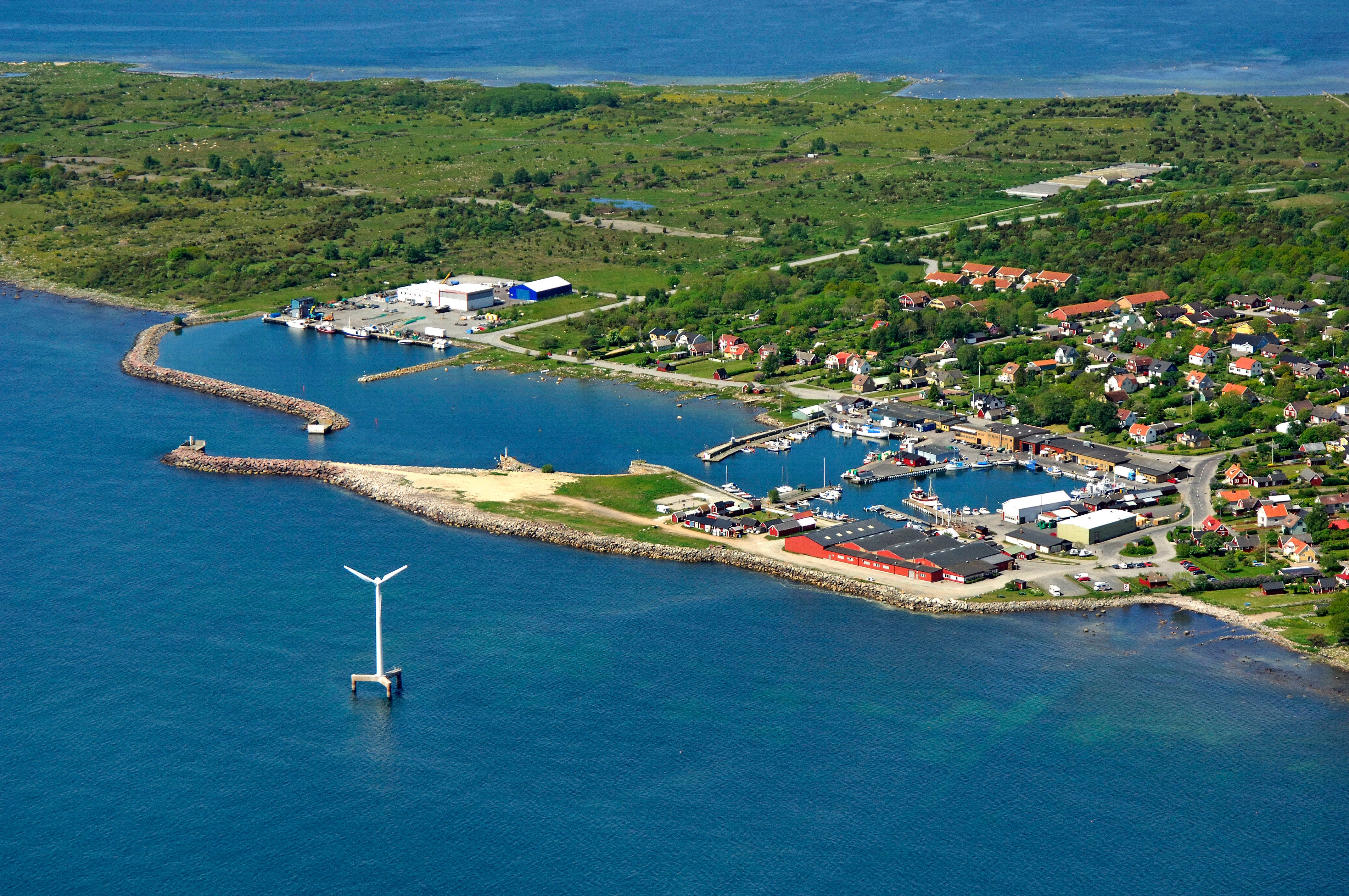
The decommissioning marked the definitive closure of a project that, over time, became a global benchmark and the seed of the offshore wind industry as we know it today.
By the time it was dismantled, offshore wind had gone from having a single turbine in Sweden to surpassing 1 GW installed worldwide. Today, the figure exceeds 70 GW.
Note: I would like to thank the Blekinge Museum for allowing the use of some photos to illustrate this report, and Digitalt Museum / Marinmuseum for making them available online under a CC BY 4.0 license.
Thank you very much for reading Windletter and many thanks to Tetrace, RenerCycle and Nabrawind our main sponsors, for making it possible. If you liked it:
Give it a ❤️
Share it on WhatsApp with this link
And if you feel like it, recommend Windletter to help me grow 🚀
See you next time!
Disclaimer: The opinions presented in Windletter are mine and do not necessarily reflect the views of my employer.